Cabinet Door Styles For Colorado Springs Homes
Compare cabinet door styles that can give your kitchen a clean modern look, traditional character, or a balanced transitional design. Case Cabinets helps you choose cabinetry that fits your home, budget, and remodeling goals.
Your Cabinet Doors Set The Direction For The Entire Room
Cabinet doors are one of the most visible parts of a kitchen. Their shape, panel depth, edge details, wood species, and finish influence whether the room feels modern, traditional, rustic, or somewhere in between.
Troy Case helps homeowners compare door styles alongside layout, storage, countertops, flooring, lighting, and the existing character of the home. The goal is not simply to choose a popular door. It is to select cabinetry that still feels appropriate years after the remodel is complete.
- Consider the architectural style of the home
- Compare simple and decorative door profiles
- Review how paint and stain affect each style
- Balance appearance, budget, and daily maintenance
- Confirm current cabinet-line availability before ordering
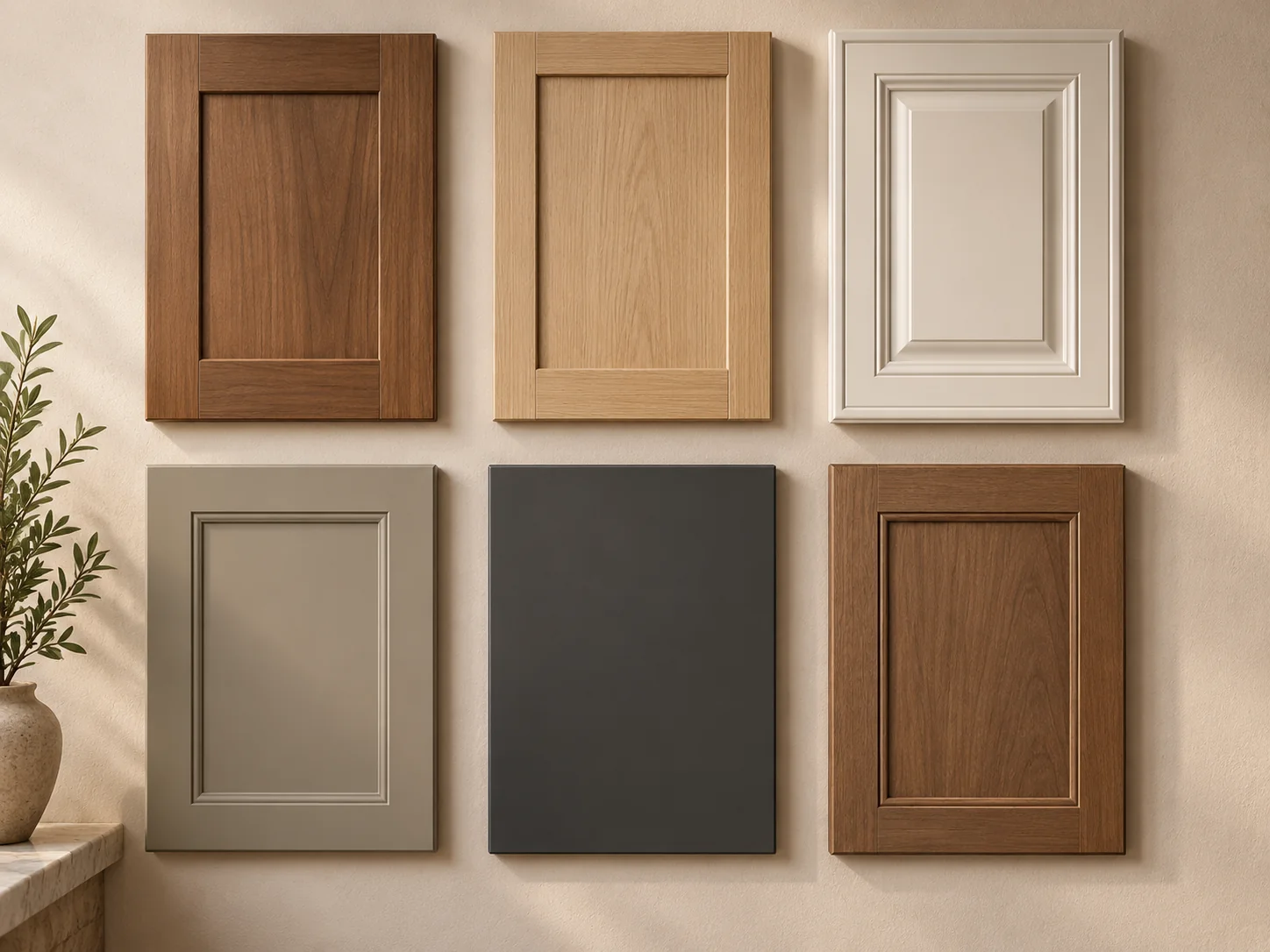
Popular Cabinet Door Style Directions
Door-style names and exact details vary among cabinet lines. These broad design categories provide a useful starting point before reviewing the options currently available for your project.
Shaker Cabinet Doors
Shaker doors use a clean recessed center panel with simple framing. Their restrained design works well in traditional, transitional, and contemporary kitchens.
Raised Panel Cabinet Doors
Raised panel doors add depth and architectural detail. They are often selected for traditional kitchens and rooms where the cabinetry should feel substantial and established.
Flat Panel Cabinet Doors
Flat panel or slab-style doors create a streamlined appearance with minimal visual interruption. They are especially well suited to modern and contemporary spaces.
Inset Cabinet Styling
Inset cabinetry places the door within the cabinet frame for a precise, furniture-like appearance. Availability and cost depend on the cabinet line and project requirements.
Traditional Cabinet Doors
Traditional styles may include deeper profiles, decorative edges, applied details, or more prominent panels that complement classic interiors.
Transitional Cabinet Doors
Transitional styles balance simple lines with a modest amount of detail, making them flexible enough to work with both older and newer homes.
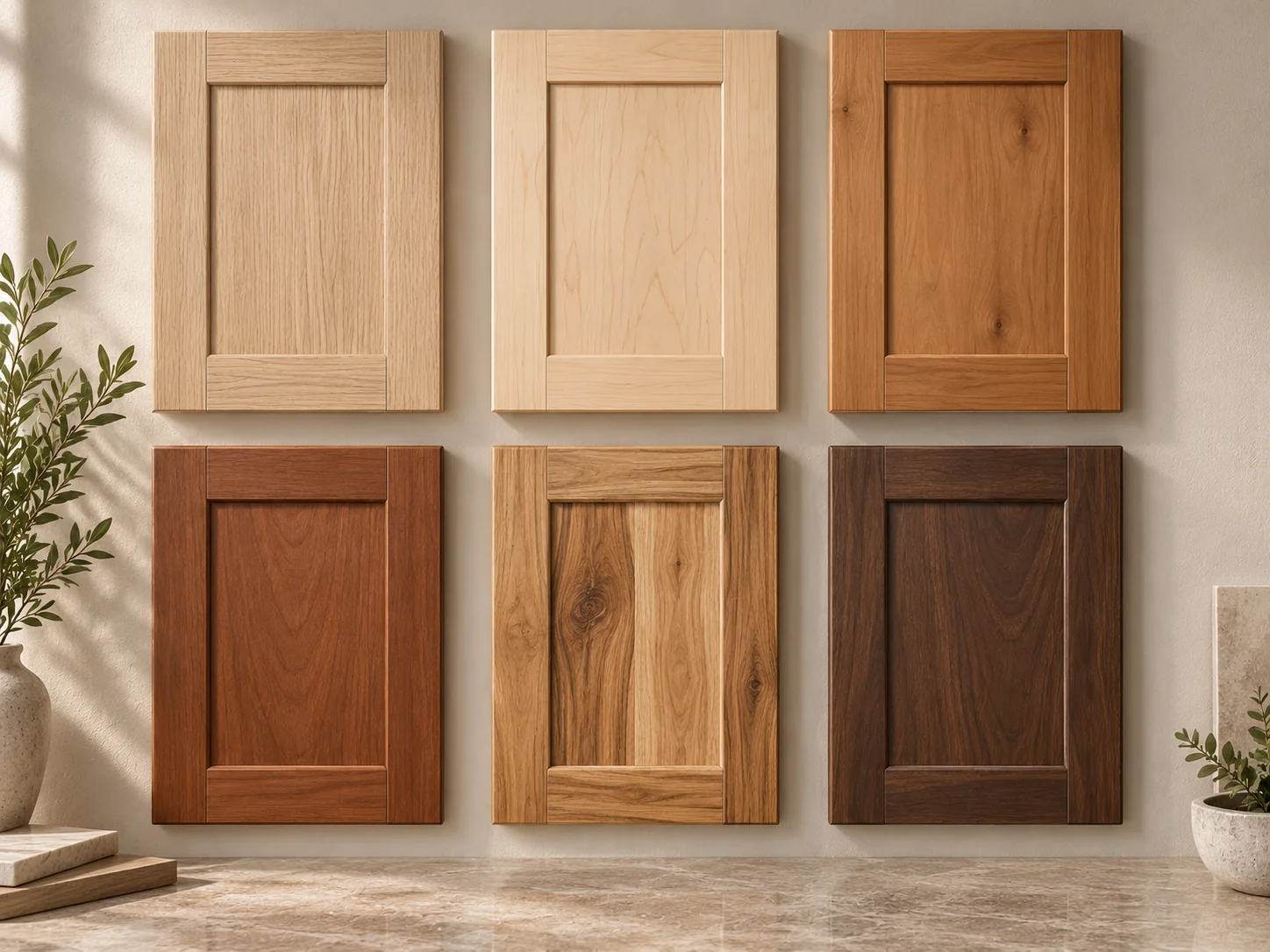
The Same Door Style Can Feel Different In Paint Or Stain
Door style is only one part of the cabinet design. A painted finish can emphasize clean lines and create a brighter appearance, while a stain allows the natural grain and character of the wood to remain visible.
The wood species also matters. Maple, cherry, hickory, alder, white oak, and walnut each respond differently to stain and bring their own grain pattern and color variation to the finished cabinets.
Match The Cabinet Style To The Whole Kitchen
Cabinet doors should work with the countertop pattern, backsplash, flooring, lighting, appliances, and proportions of the room. A door that looks attractive by itself may feel too plain, too detailed, or visually heavy once every material is brought together.
Case Cabinets helps you consider those relationships during the kitchen design process so the finished space feels cohesive rather than assembled one selection at a time.
- Coordinate cabinet profiles with the home’s architecture
- Balance cabinet detail with countertop movement
- Consider how natural and artificial light affect color
- Use consistent design choices throughout connected spaces
- Review selections together before final ordering
How Case Cabinets Helps You Choose
1. Discuss Your Goals
Review the room, preferred style, storage needs, remodeling scope, and working budget.
2. Narrow The Direction
Identify whether simple, traditional, modern, or transitional cabinetry best fits the home.
3. Compare Door Options
Review available door profiles and consider their proportions, details, and overall visual weight.
4. Coordinate The Finish
Compare paint, stain, and wood choices with countertops, flooring, backsplash, and lighting.
5. Confirm Availability
Verify the selected combination is available through the appropriate cabinet line for the project.
6. Finalize The Design
Approve the cabinet plan and selections before ordering and installation are scheduled.
Frequently Asked Questions About Cabinet Door Styles
What is the most versatile cabinet door style?
Shaker-style doors are often considered versatile because their simple recessed-panel design can work in traditional, transitional, and contemporary kitchens. The best choice still depends on the home and the other finish selections.
Are flat panel cabinets only for modern kitchens?
No. Flat panel doors are strongly associated with modern design, but the wood species, color, countertop, and surrounding materials can make them feel warmer or more transitional.
Can cabinet door styles be painted or stained?
Many door styles are available in painted and stained finishes, although exact combinations depend on the wood species and cabinet line. Troy can help you compare the options available for your project.
Should cabinet doors match throughout the home?
They do not always need to match exactly, but connected rooms generally look more intentional when their cabinet profiles, wood tones, or finish colors relate to one another.
Can Case Cabinets help with the complete kitchen design?
Yes. Case Cabinets can coordinate cabinet selection with layout, storage, countertops, lighting, flooring, and the broader kitchen remodeling project.
Ready To Choose Your Cabinets?
Schedule a consultation with Troy Case to compare cabinet door styles, finishes, storage options, and design ideas for your Colorado Springs home.